
Georgia turned 18 in April 2024. For most people, this milestone means liberation into adulthood, voter registration, maybe even a tattoo, but for Georgia it meant a whole new world of medical possibilities. Pediatric cases of Long Covid have limited options, very few specialists, and exactly zero clinical trials for potential treatment as of this writing. Reaching legal adulthood meant Georgia could transition to adult specialists, expanding her options for treatment, and most exciting- she was suddenly eligible for clinical trials.
I monitored the website clinicaltrials.gov for two and a half years, searching every couple of weeks for new studies or updated results posted for studies already completed. I was initially excited about a Phase II trial open in multiple locations across Europe for an investigational pharmaceutical called BC-007 developed by Berlin Cures, but like all of the interventional studies, participants were required to be at least 18.

In the end, it was my mother who found the opportunity we had long awaited. Just a few weeks after Georgia’s birthday, my mother called me while I was at work, too excited to text. She had found a brand new clinical trial just starting to open sites and one of the locations was going to be in Spokane, WA, only 45 minutes from her house in Coeur d’Alene. I get my dog-with-a-bone persistence from my mother, so it was no surprise to me that she had already tracked down the study team for the Spokane location, called the study lead, and gave them my contact information after convincing them to let Georgia into the trial even though it was registered as invitation only. I was on my commute home when the lead study coordinator called me and we ran through the basic details.
The National Institute of Health (NIH) funds the Recover Initiative as part of the US government’s comprehensive response to the long-term impacts of the Covid-19 pandemic. The initiative reports out to the The Office of Long COVID Research and Practice (OLC) within the U.S. Department of Health and Human Services (HHS). Early on, Recover focused on studies collecting data on Long Covid patients, but they have now moved into the clinical trials phase to study potential interventions.
Recover trials are distributed into five distinct platform protocols categorized by the types of symptoms the interventions target:
- RECOVER-VITAL
- Viral Persistence (PAXLOVID)
- RECOVER-NEURO
- Cognitive Dysfunction (BrainHQ, PASC-CoRE, & tDCS)
- RECOVER-AUTONOMIC
- Severe POTS (IVIG)
- Moderate POTS (Ivabradine)
- RECOVER-SLEEP
- Hypersomnia (Modafinil/Solriamfetol)
- Complex Sleep Disturbances (Melatonin + Light Therapy)
- RECOVER-ENERGIZE
- Exercise Intolerance (Personalized Cardiopulmonary Rehabilitation)
- Post-Exertional Malaise (Structured Pacing)
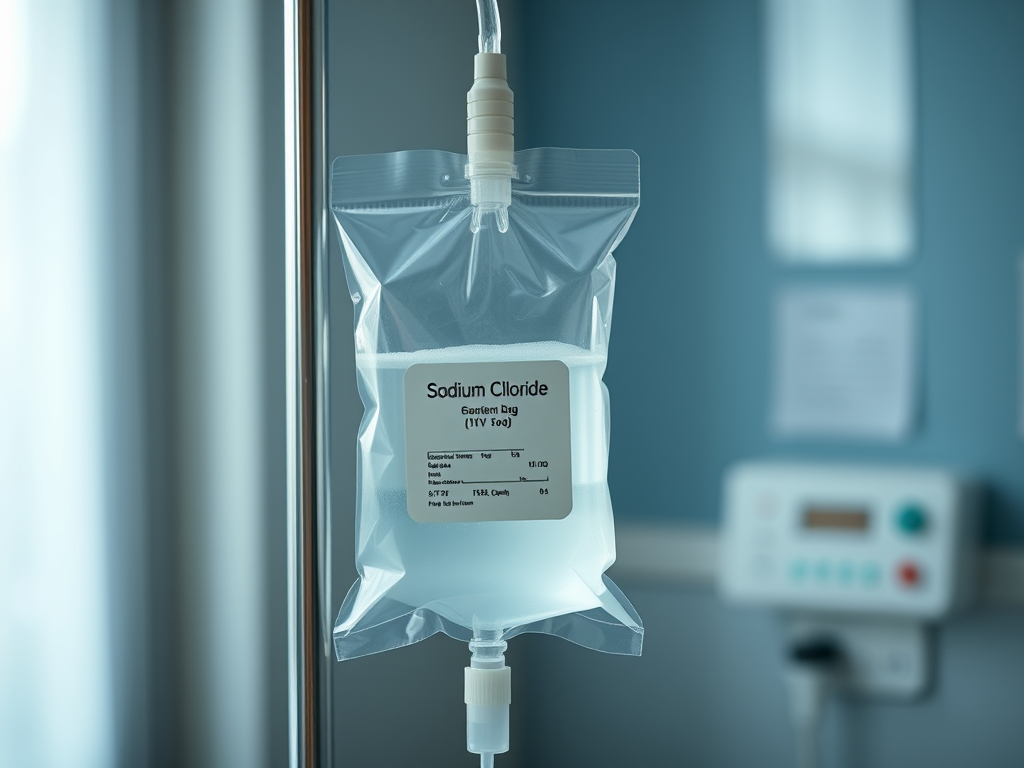
Like many people with Long Covid, Georgia has symptoms consistent with multiple conditions which complicate and exacerbate each other. The most severe symptoms are POTS and post-exertional malaise, but we are hopeful that successful treatment of POTS will enable her to manage the exercise intolerance and fatigue with pacing and carefully planned muscle-building exercises. While Georgia has symptoms from each of the five platforms, the Recover-Autonomic trial was our goal. The possibility of receiving Gamunex-C, an IV immunoglobulin, was more than we had hoped for on our first attempt.
We talked through the logistics of sending Georgia away to live with her grandmother for a year and to my surprise she was prepared to do it. I was nervous about the long period of separation, but my mother was an experienced registered nurse for 40 years and I knew she would be in very capable hands in her care. As luck would have it, the relocation plan was unnecessary. A day after Georgia’s intake phone call with the Spokane study coordinator, she contacted us to alert us that another study site would be opening at OHSU, right here in Portland, Oregon. All the stars were aligning to make this work, but we needed to start all over to try to be included at this new site.
I jumped online and found the name for the medical director for OHSU’s adult Long Covid clinic, but I had to search deeper to find a paper with his contact information in the publication. Dr. Aluko Hope. I sent him an email from my work account hoping he would be less likely to ignore it and I was ecstatic when he wrote back by the following morning, including his lead study coordinator, Bryn, in the email chain. They would be happy to include Georgia and Bryn would get everything set up over the coming weeks as the site prepared to open.
She was in!
We received the detailed study material in a secure, encrypted email account where all future trial communication would be shared. Georgia was to be their very first participant. The Recover-Auto protocol would study either Ivabradine, a medication targeting the heart rate in POTS patients, or IVIG. Within those two arms, there would be subarms pairing coordinated care with the medication interventions. All of the trials would be double-blinded with a 50/50 chance of receiving placebo. Not even the study researchers would know what Georgia was receiving. The first intake call would be planned for July followed by an intake appointment in person a week or so later. If eligibility was met, a baseline appointment to collect data on the beginning state of all key metrics would be set for mid-August and the first treatment would begin near the end of August or early September.
The excitement in our house was palpable. The ball was finally rolling after so long in stagnation and it was rolling fast. It was hard to make room for the new emotions engulfing us, but as the days progressed our stoic resignation was gradually displaced by the sweet joy of unremitting hope.
Leave a Reply